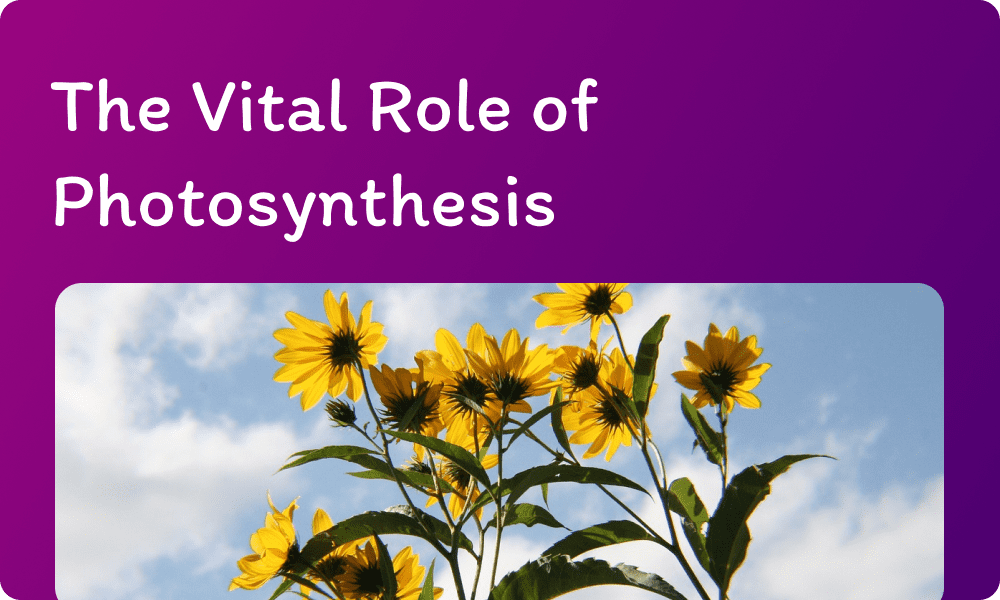
Photosynthesis is a fundamental process through which green plants, algae, and certain bacteria convert light energy into chemical energy. This process occurs primarily in the chloroplasts of plant cells, where the pigment chlorophyll captures sunlight. Photosynthesis involves two main stages: the light-dependent reactions and the Calvin cycle. During the light-dependent reactions, sunlight is absorbed by chlorophyll, generating energy-rich molecules, ATP and NADPH. These molecules are then used in the Calvin cycle to synthesize glucose from carbon dioxide and water, providing essential energy for the plant’s growth and development.
The Importance of Photosynthesis
Photosynthesis is vital for life on Earth as it is the primary source of organic matter for nearly all living organisms. It not only provides food for plants themselves but also forms the base of the food chain, supporting herbivores and, subsequently, carnivores. Moreover, photosynthesis is a critical process in maintaining atmospheric oxygen levels. As plants convert carbon dioxide into oxygen during photosynthesis, they help sustain the oxygen-rich environment necessary for the survival of aerobic organisms, including humans.
Impact on the Environment and Climate
Photosynthesis plays a significant role in regulating the Earth’s climate and carbon cycle. By absorbing carbon dioxide, a major greenhouse gas, plants help mitigate the effects of climate change. Forests, grasslands, and other vegetative areas act as carbon sinks, storing large amounts of carbon that would otherwise contribute to global warming. Additionally, the oxygen produced during photosynthesis supports a diverse range of ecosystems, promoting biodiversity and ecological balance. Understanding and protecting the photosynthetic process is crucial for sustaining life and addressing environmental challenges.